29 January 2003
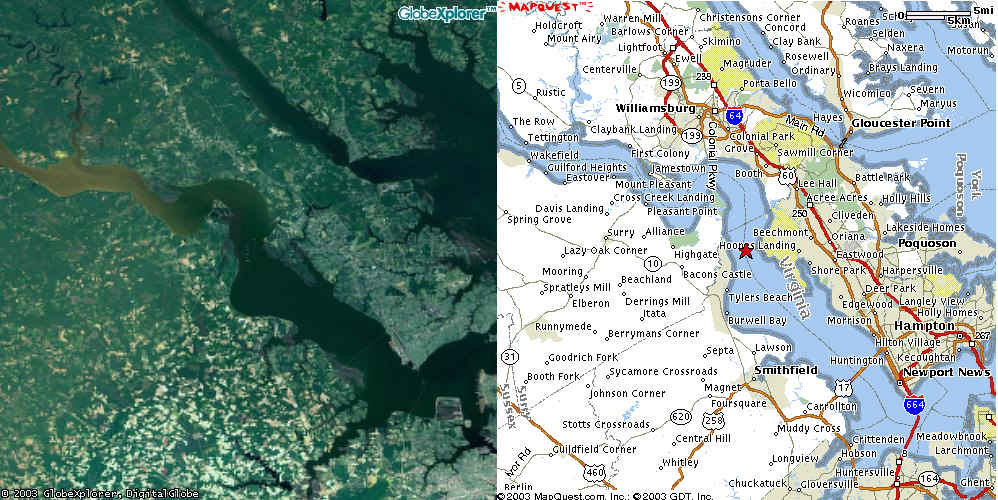
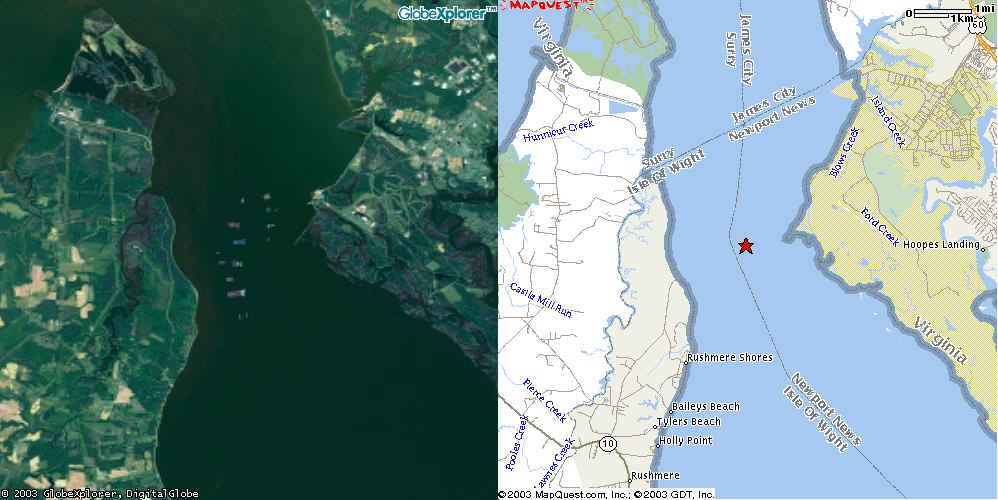
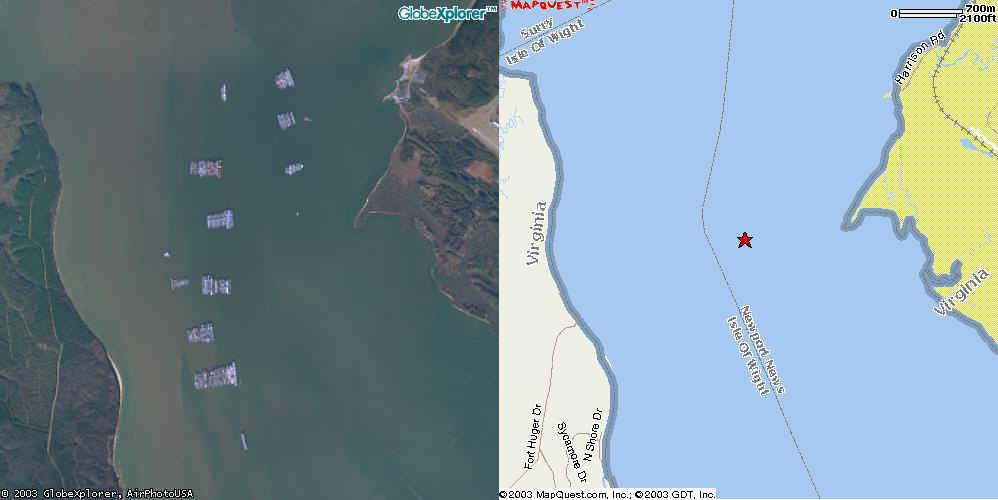
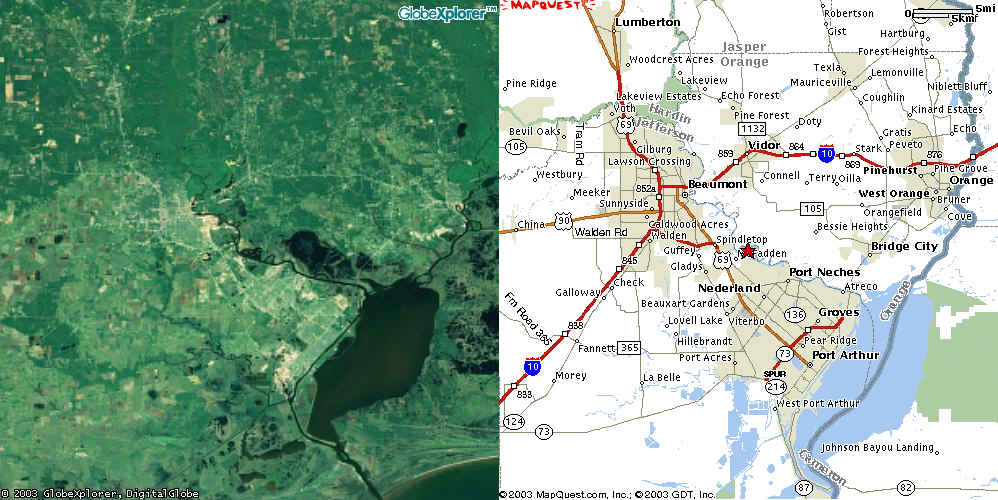
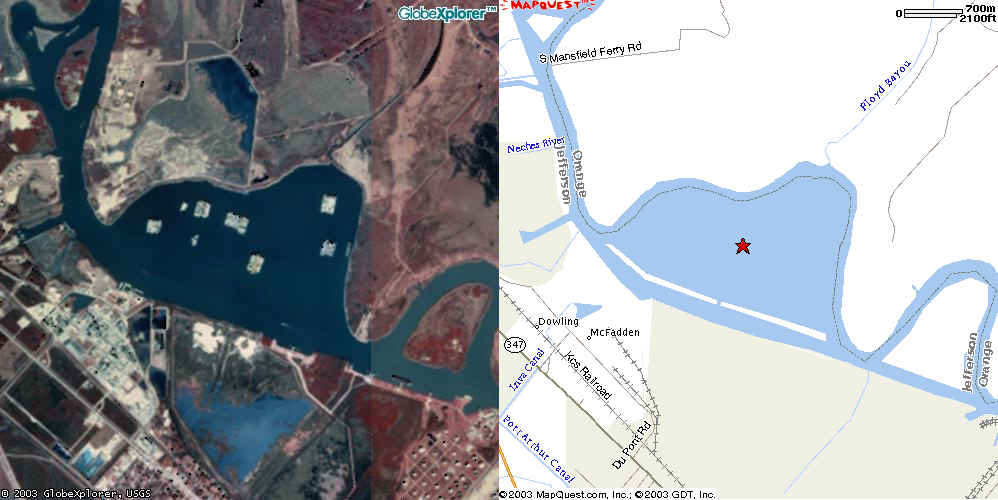
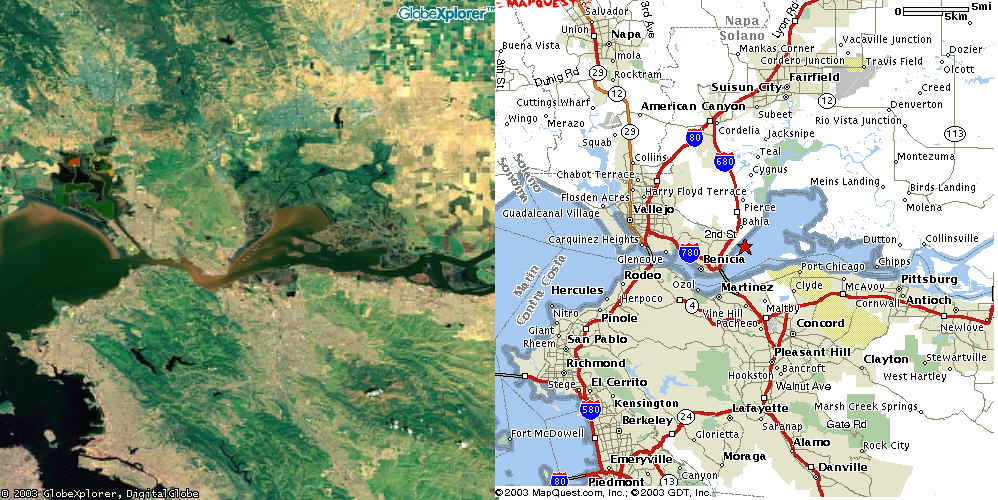
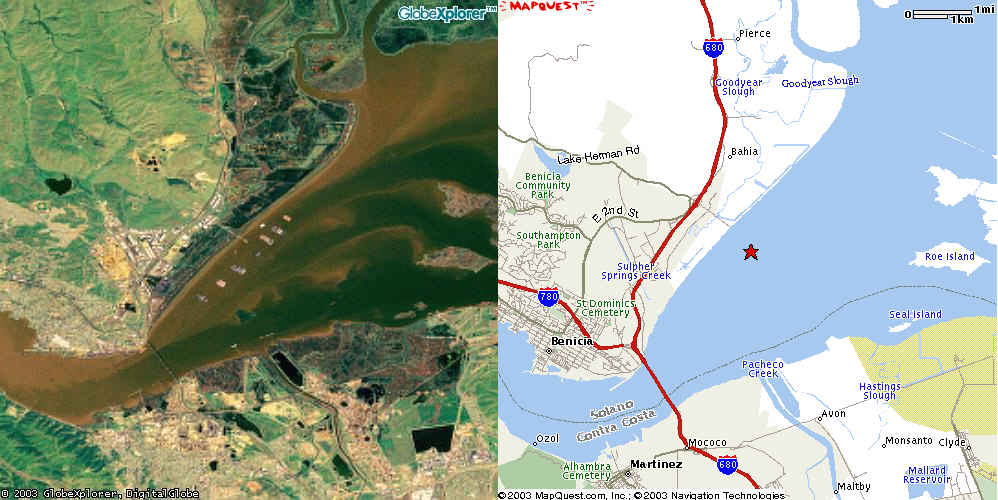
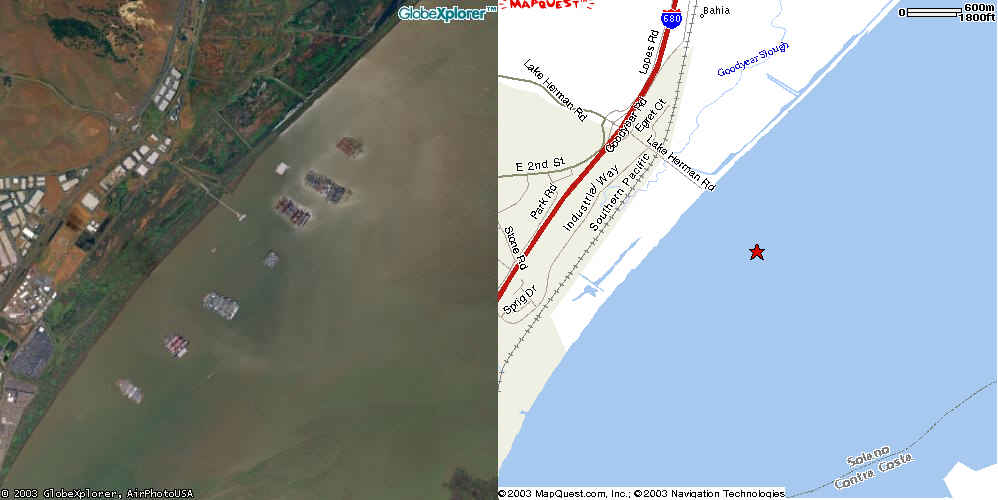
Source: Mapquest.com
http://usinfo.state.gov/cgi-bin/washfile/display.pl?p=/products/washfile/latest&f=03012801.plt&t=/products/washfile/newsitem.shtml
28 January 2003
Maritime Unit Activates 13 Cargo Ships for Afghanistan Duty
(The ships join 19 others supporting Operation Enduring Freedom) (440)

The U.S. Maritime Administration (MARAD) has activated 13 reserve
cargo ships to support U.S. military operations in Afghanistan as part
of Operation Enduring Freedom, the agency says.

"The activations follow orders received from the U.S. Navy's Military
Sealift Command," MARAD said in a January 27 announcement. "The
recently-activated ships join 19 others already activated to support
Operation Enduring Freedom. These, combined with four others on
long-term assignment, bring the total of activated MARAD RRF [Ready
Reserve Force] ships to 36."

Following is the text of the MARAD announcement:

(begin text)

MARAD
January 27, 2003
Maritime Administration Activates Ready Reserve Force Ships

The U.S. Department of Transportation's Maritime Administration
(MARAD) today announced that it activated 13 Ready Reserve Force (RRF)
ships on Friday, January 24, to support Operation Enduring Freedom.
The activations follow orders received from the U.S. Navy's Military
Sealift Command.

The recently-activated ships join 19 others already activated to
support Operation Enduring Freedom. These, combined with four others
on long-term assignment, bring the total of activated MARAD RRF ships
to 36.

For more than 25 years, MARAD's RRF has augmented the Military Sealift
Command's 125-ship cargo fleet. The ships were used in Operations
DESERT SHIELD and DESERT STORM and more recently in Haiti, Somalia,
Croatia, Bosnia, and for humanitarian support as part of Hurricane
"Mitch" relief in Central America.

"The RRF is a great asset because it provides efficient sealift,
tailored to meet the requirements of the military. The program also
supports vital marine industries and labor unions that have been in
decline, but are critical to support our nation in times of war,"
Maritime Administrator Captain William Schubert stated. All RRF ships
are crewed by American merchant mariners who volunteer for this
potentially difficult duty.

The U.S. Department of Transportation's Maritime Administration
(MARAD) manages the RRF, which is a fleet of 72 militarily useful
ships. This fleet, located throughout the country, is maintained in a
reserve status in the event that the Department of Defense needs these
ships to support the rapid, massive movement of military supplies and
troops for a military exercise or large-scale conflict.

The Ready Reserve Force is the premier sealift readiness program of
the U.S. Maritime Administration (MARAD). The overall mission of MARAD
is to promote the development and maintenance of an adequate,
well-balanced merchant marine, sufficient to carry the nation's
waterborne commerce, and capable of serving as a naval and military
auxiliary in time of war or national emergency.

(end text)

(Distributed by the Office of International Information Programs, U.S.
Department of State. Web site: http://usinfo.state.gov)
http://www.marad.dot.gov/Offices/Ship/PRESS-GM2.htm
THE READY RESERVE FORCE
The Ready Reserve Force (RRF) program was initiated in 1976 as a subset of
the Maritime Administration’s (MARAD) National Defense Reserve Fleet
(NDRF) to support the rapid worldwide deployment of U.S. military forces.
A key element of Department of Defense (DOD) strategic sealift, the RRF supports
transport of Army and Marine Corps unit equipment, combat support equipment,
and initial resupply during the critical surge period before commercial ships
can be marshaled. Management of the RRF is defined by a Memorandum of Agreement
(MOA) between DOD and Department of Transportation.
As of January 31, 2001, the RRF consists of 76 ships: 17 breakbulk ships,
31 roll-on/roll off (RO/RO) vessels, 7 heavy lift or barge carrying ships,
10 auxiliary crane ships, 9 tanker ships, and 2 troopships. RRF ships are
maintained in 4, 5, 10, or 20 day readiness status. Each ship is expected
to be fully operational and ready for sea to sail to the loading berth within
the assigned DOD readiness. Ships in high priority readiness (4 and 5 day)
have a Reduced Operating Status (ROS) maintenance crew of 9 or 10 persons
and are outported at government or commercial berths.
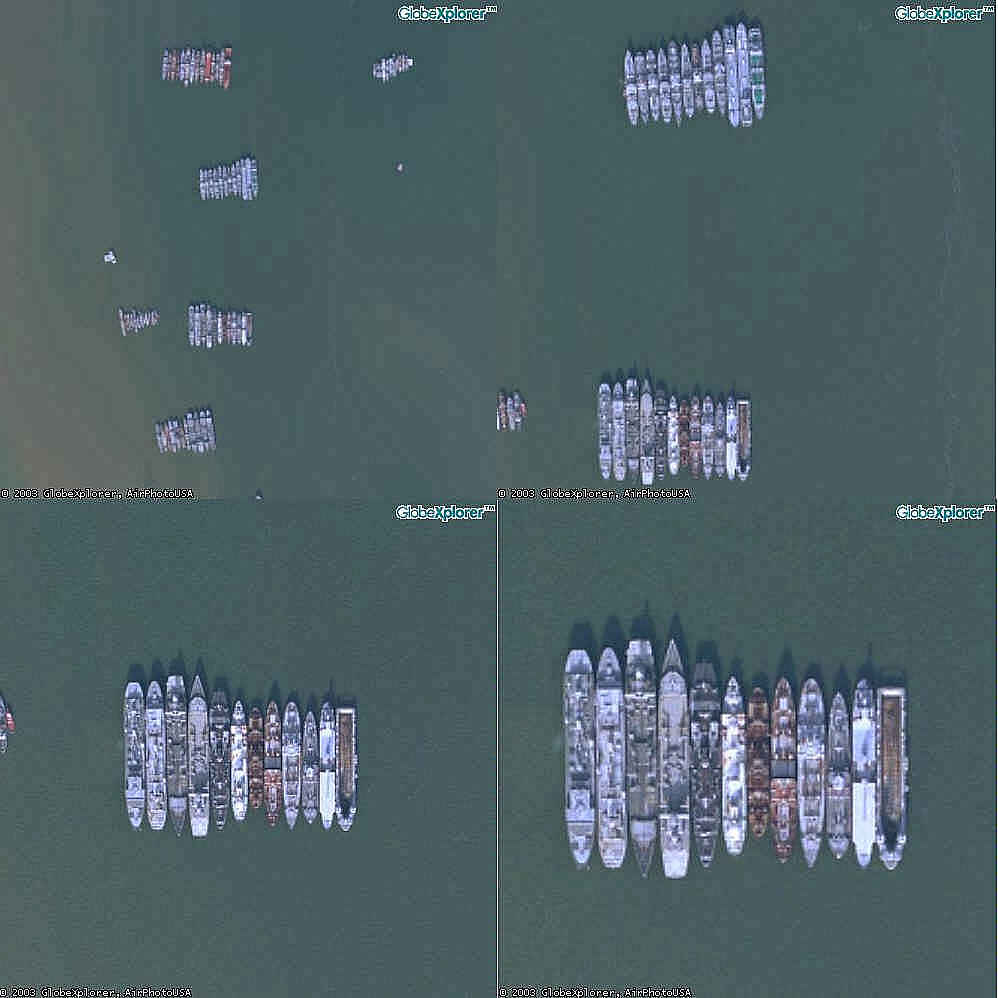
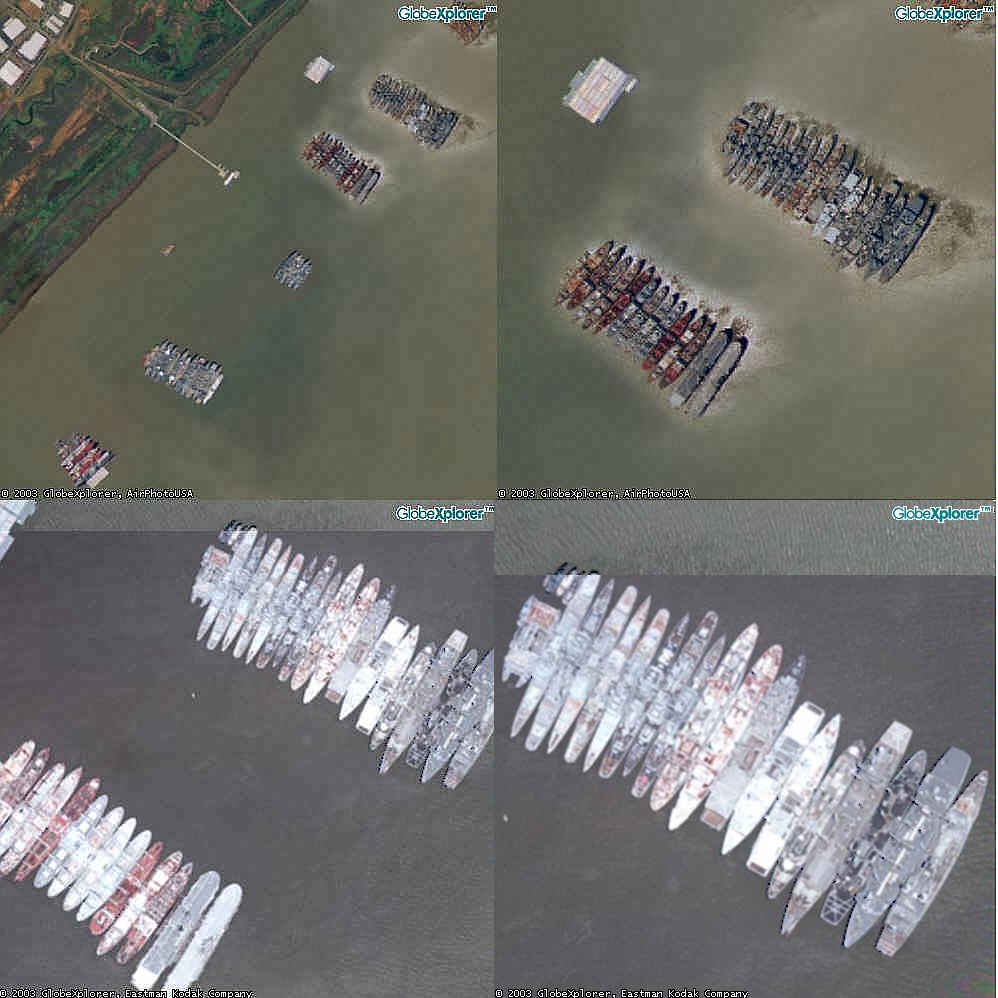
Twenty-one (21) of the RRF ships are homeported at the three reserve fleet
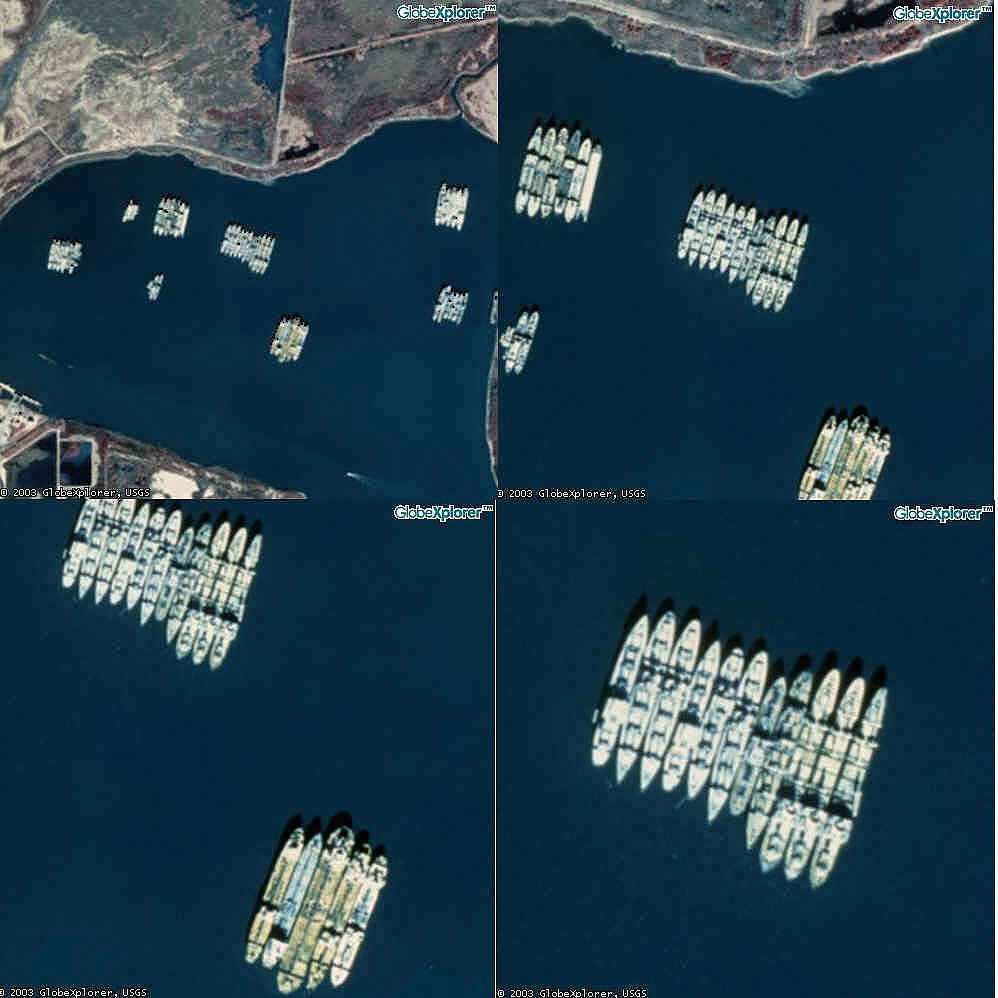
anchorages at James River, Virginia; Beaumont, Texas; and Suisun Bay, California.
The balance is in operation or berthed at various U.S. ports with three small
tankers outported in Japan. Layberths are acquired from commercial sources,
as well as by negotiating for government owned facilities suitable for the
long-term berthing of RRF ships. While outporting avoids congestion at the
fleet sites should a wide-spread activation occur, it is primarily for minimizing
sailing time to probable DOD loadout locations.
MARAD contracts with U.S. ship managers for maintenance and repair, activation,
manning, and vessel operation. Readiness of the RRF is periodically tested
by DOD in no-notice activations of selected ships, or in scheduled activations
for military cargo operations and exercises. RRF ships are also used as platforms
for cargo handling training by Navy and Army Reserve units.
The RRF made a major contribution to the success of Operations DESERT
SHIELD/STORM/ SORTIE from August 1990 through June 1992, when 79 vessels
were activated and operated to meet military sealift requirements.
Since 1990, specialized RRF tankers have continued their preposition Army
support in the Afloat Prepositioning Force (APF); these tankers rotate so
two are always available. From 1993 to 1997, the RRF supported the
preposition of Army equipment with eight dry cargo ships in the Afloat
Warfighting Reserve (AWR). Two APF and two AWR ships, along with an
RRF troopship, were needed in Somalia for Operation RESTORE HOPE in 1993
and 1994. During the Haitian crisis in 1994, 15 ships were activated
for UPHOLD DEMOCRACY operations. In 1995 and 1996, four RO/RO ships
were used to deliver military cargo to the former Yugoslavia as part of U.S.
support to NATO peace-keeping missions. Four ships were activated in
1998 to provide relief cargo to Central America following Hurricane Mitch.
The RRF has rightfully been called "American Sea Power's Reliant Partner."
See also:
http://www.fas.org/man/dod-101/sys/ship/rrf.htm
|